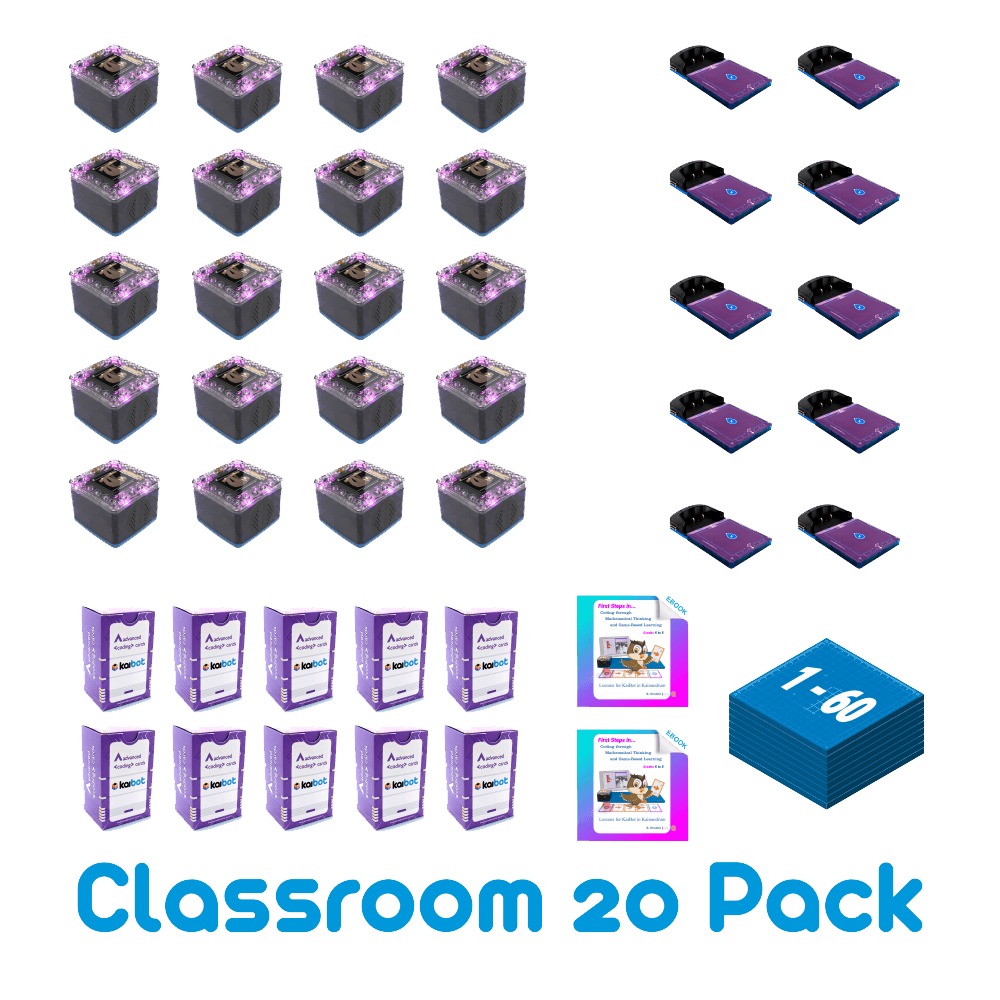
KaiBot Classroom 20 Pack
A 20-robot screen-free coding fleet that takes a whole classroom from tactile coding cards to Blockly and Python β one purchase, one platform, every student building from day one.
How hospitality operators evaluate, deploy, and scale commercial robots.
Tell us your industry and we'll recommend 3-4 robots to shortlist.
We evaluate, certify, and service every robot we sell.
From marketing, sales, demonstrations, and proof-of-concepts through deployment, training, support β and even repair. Local teams, local inventory, same-day service.
The first and only commercial robotics & AI franchise in America.
Sent by email within hours. 14-day review period. No obligation.
By Elad Inbar, RobotLAB founder & CEO β a practical guide to adopting robotics that actually delivers ROI.
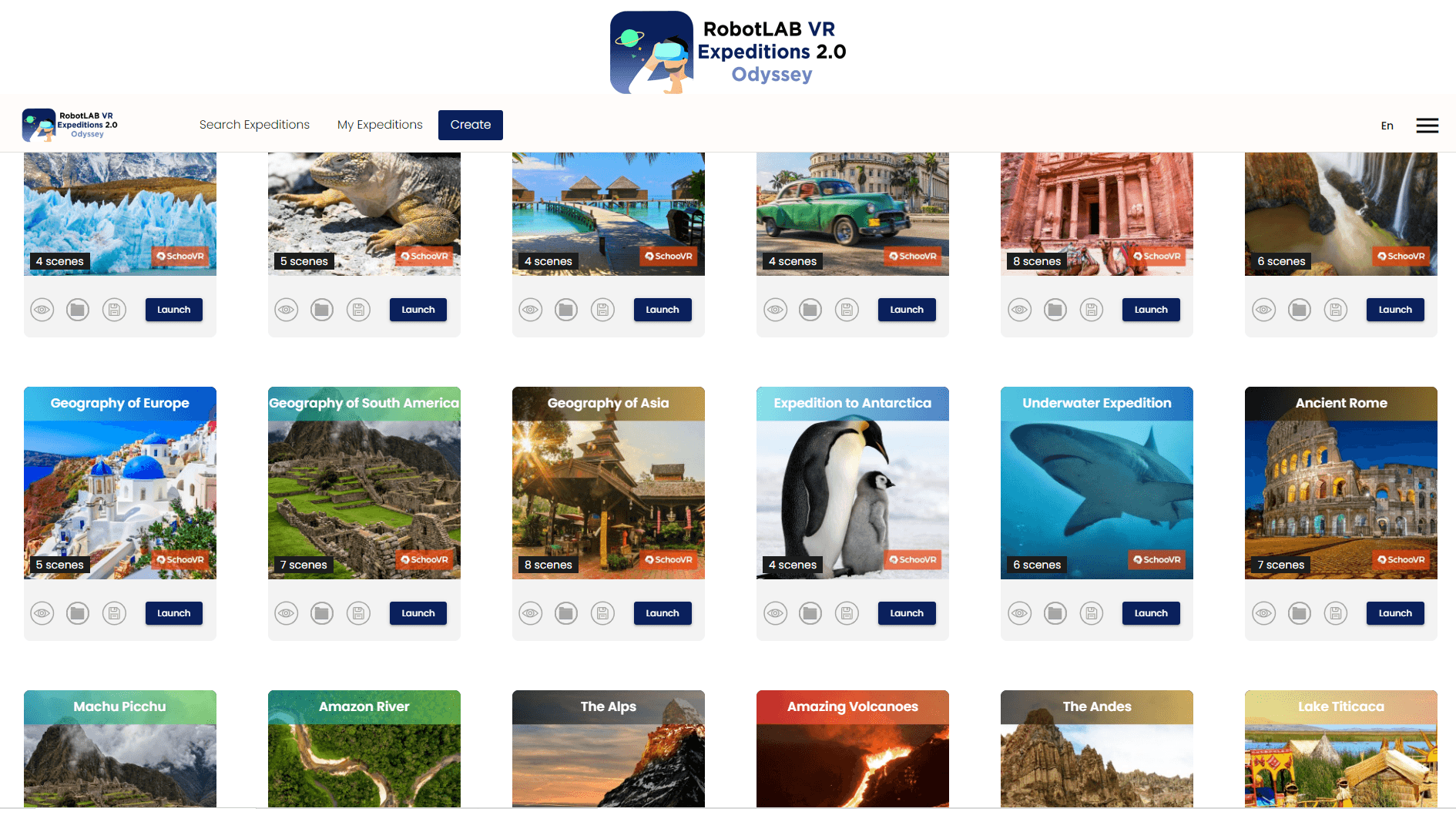
About the book βVR and AR solutions that lift retention by 50% and focus by 4x vs traditional methods. Virtual field trips, 3D simulations, and immersive curriculum compatible with Oculus, iOS, Chromebook, and Android. Teacher-led or self-guided.
Traditional slides, videos, and worksheets compete with student phones and shrinking attention spans. VR removes the competition β when a student is inside an experience, distraction goes to zero. Studies show 4x focus improvement.
Real field trips are expensive, logistically hard, and limited to where the bus can go. Virtual field trips take students to ancient Rome, the surface of Mars, inside a heart, or onto a Civil War battlefield β at zero travel cost.
Cell biology, planetary motion, electrical circuits β concepts that are hard to visualize from textbooks become intuitive when students manipulate them in 3D. Retention rates jump because students see the concept, not just read about it.
Our techs map your facility. Robots learn doorways, glass walls, no-go zones.
Set zones, times, and modes. Robots run on a schedule that fits your operation.
Fleet dashboard shows runtime, coverage, and maintenance needs. Weekly reports.
Classroom kits, premium dual-controller systems, and immersive reality lab build-outs. All include content library and teacher PD.

A 20-robot screen-free coding fleet that takes a whole classroom from tactile coding cards to Blockly and Python β one purchase, one platform, every student building from day one.

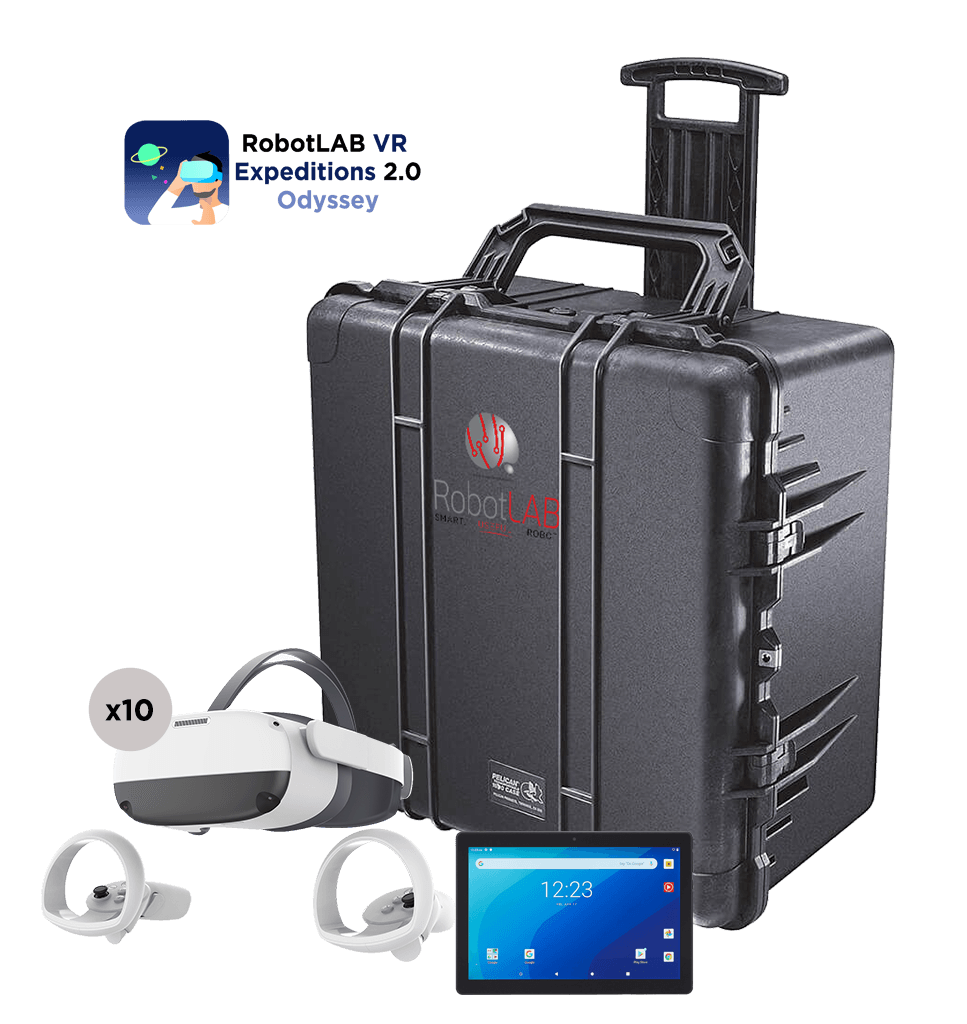
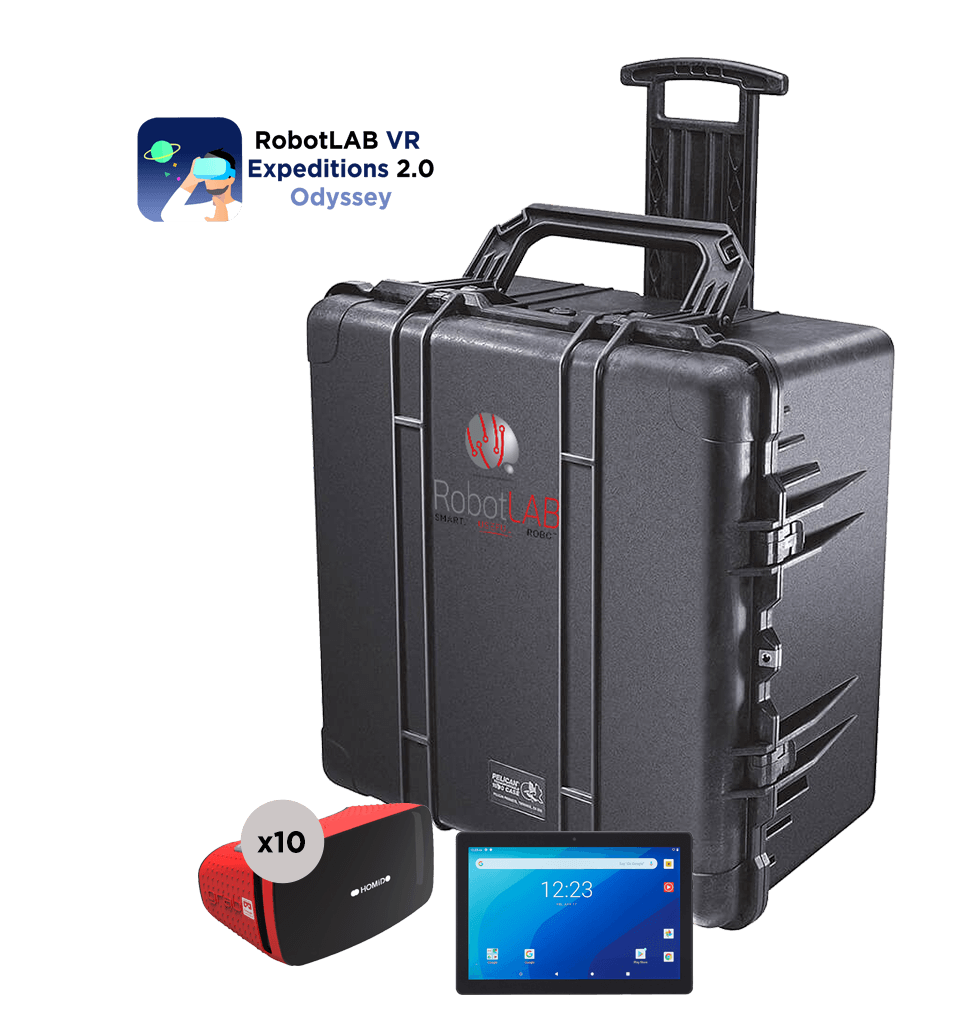
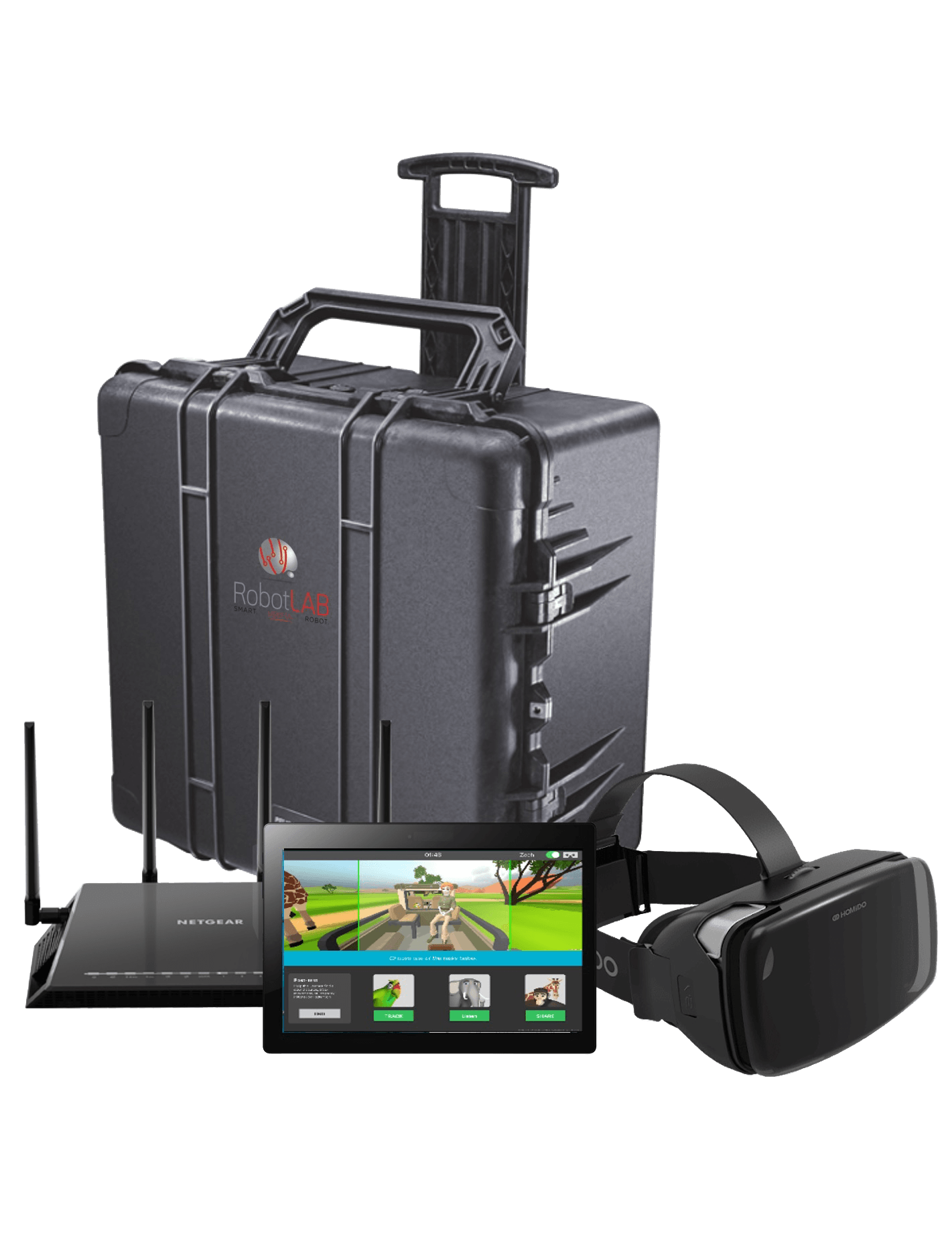
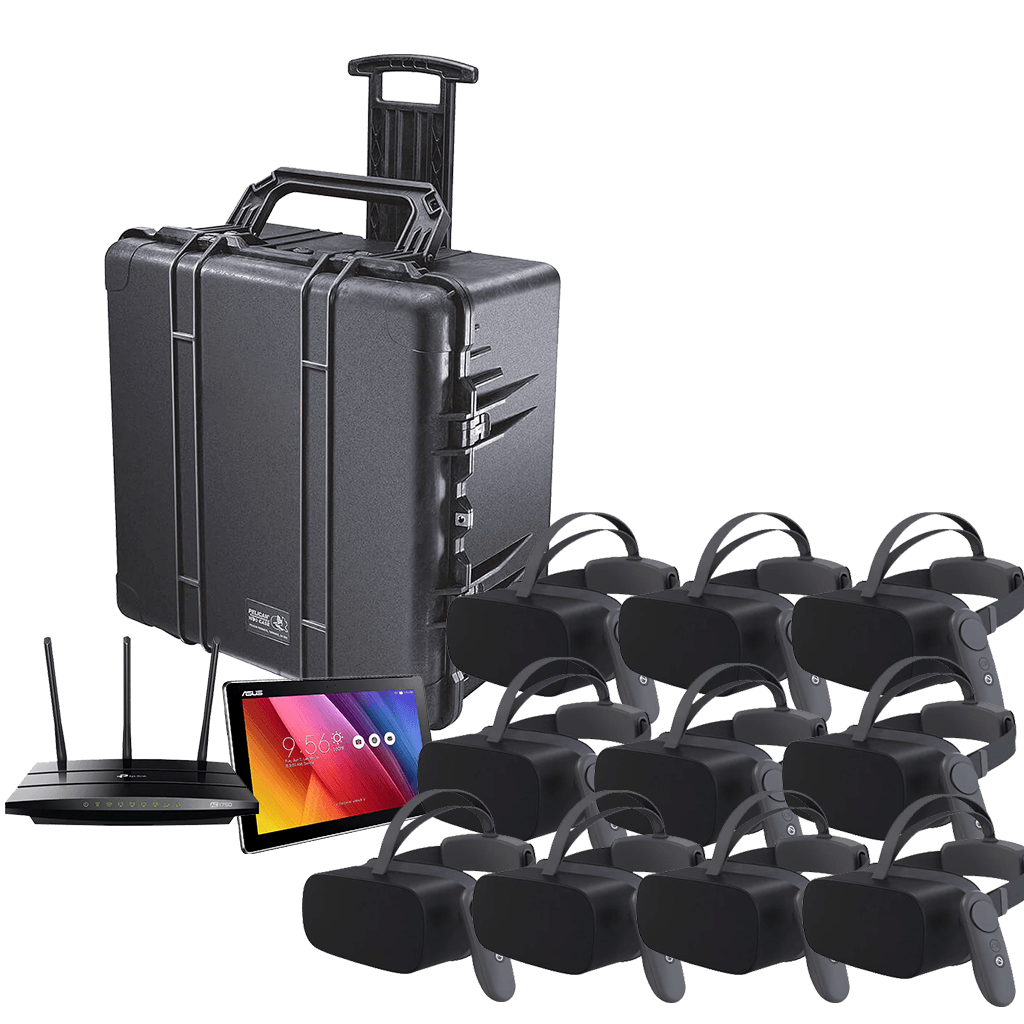
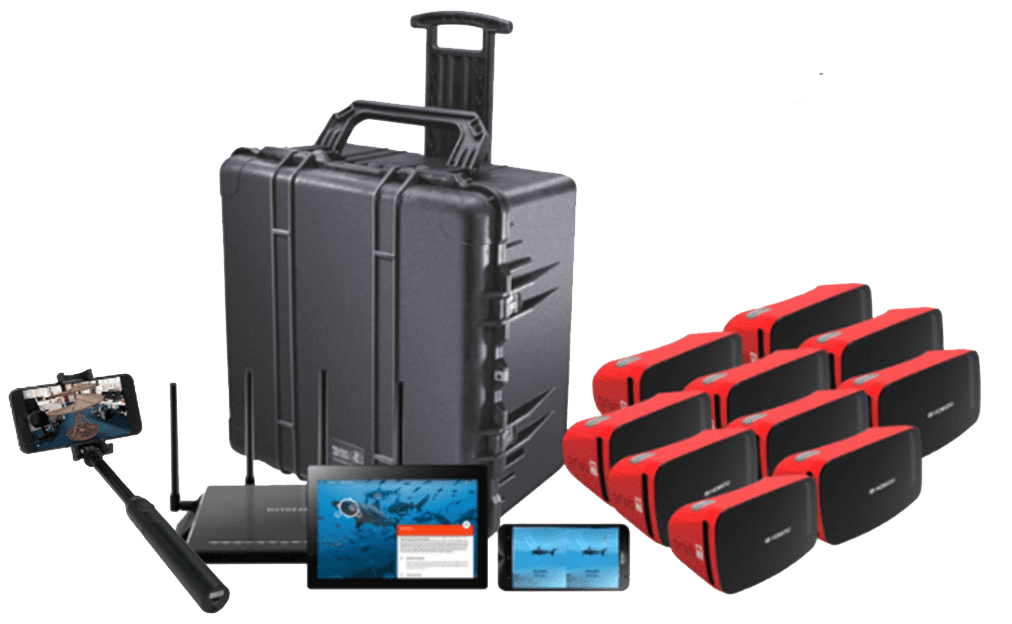
Bring your lessons to life with virtual reality. Spark curiosity and engage the entire classroom with the RobotLAB VR classroom pack

Bring your lessons to life with virtual reality. Spark curiosity and engage the entire classroom with the RobotLAB VR classroom pack


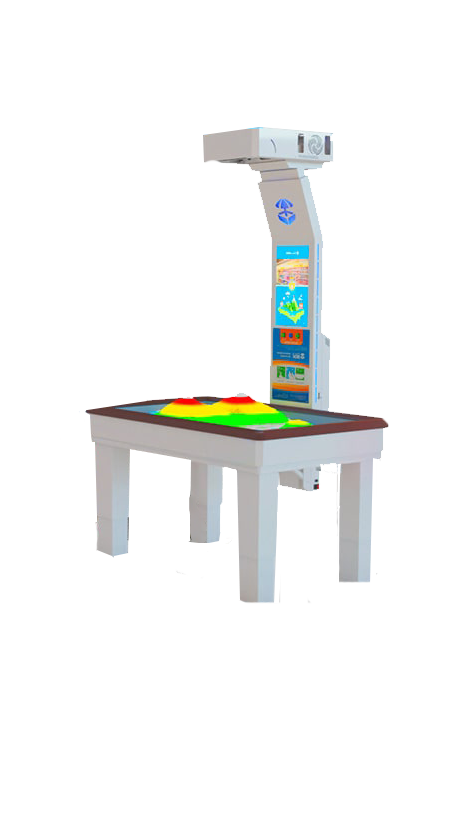
Universal Terminal Systems iSandBox Projected Reality. for Education/STEM. RobotLAB.

RobotLAB VR Kit for Autism

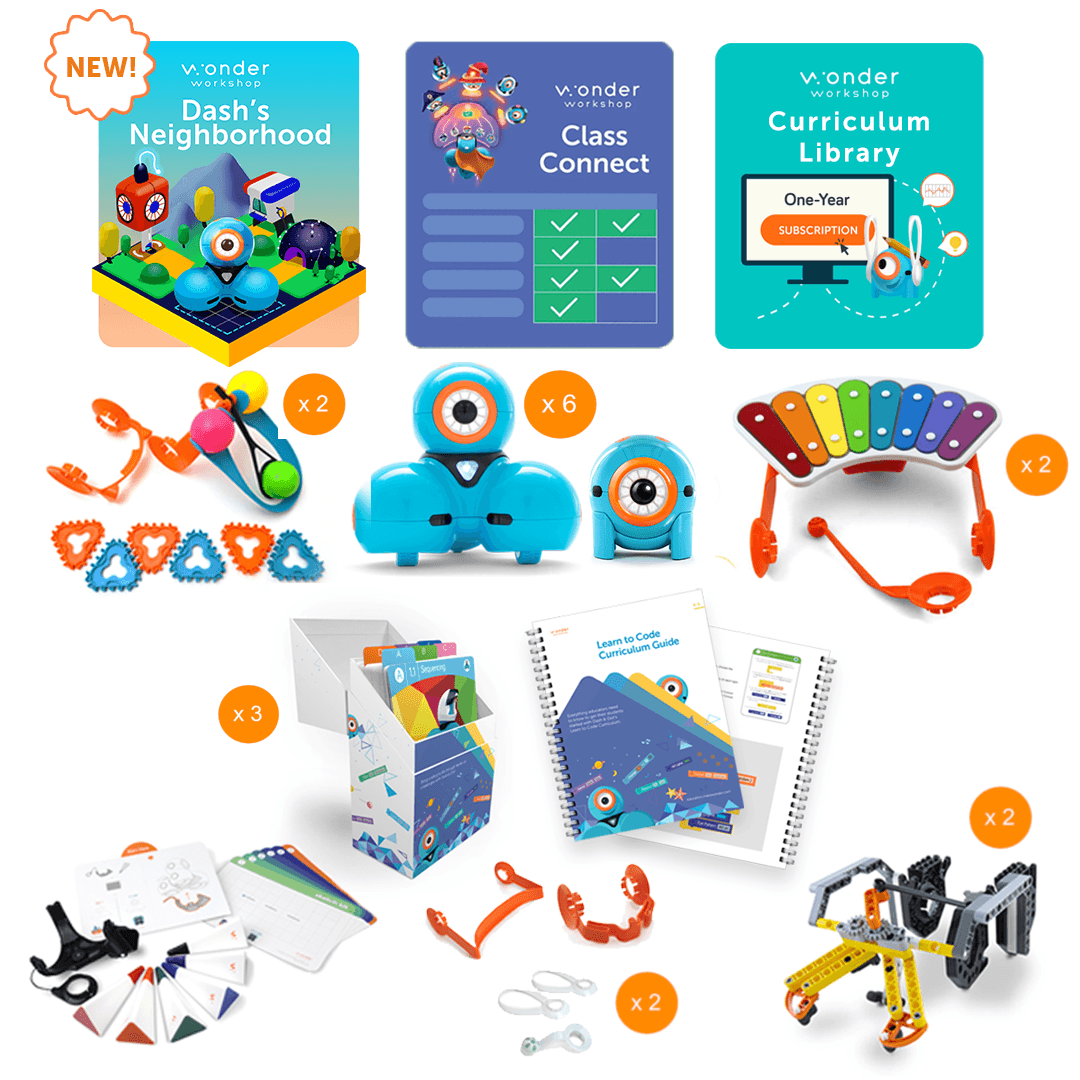
A ready-to-teach elementary robotics lab in a box β 6 Dash robots, a Dot, hands-on accessories, the K-5 Learn to Code curriculum, and a year of Class Connect progress tracking β supporting a full classroom at a 3:1 student-to-robot ratio.

Bring your lessons to life with virtual reality. Spark curiosity and engage the entire classroom with the RobotLAB VR

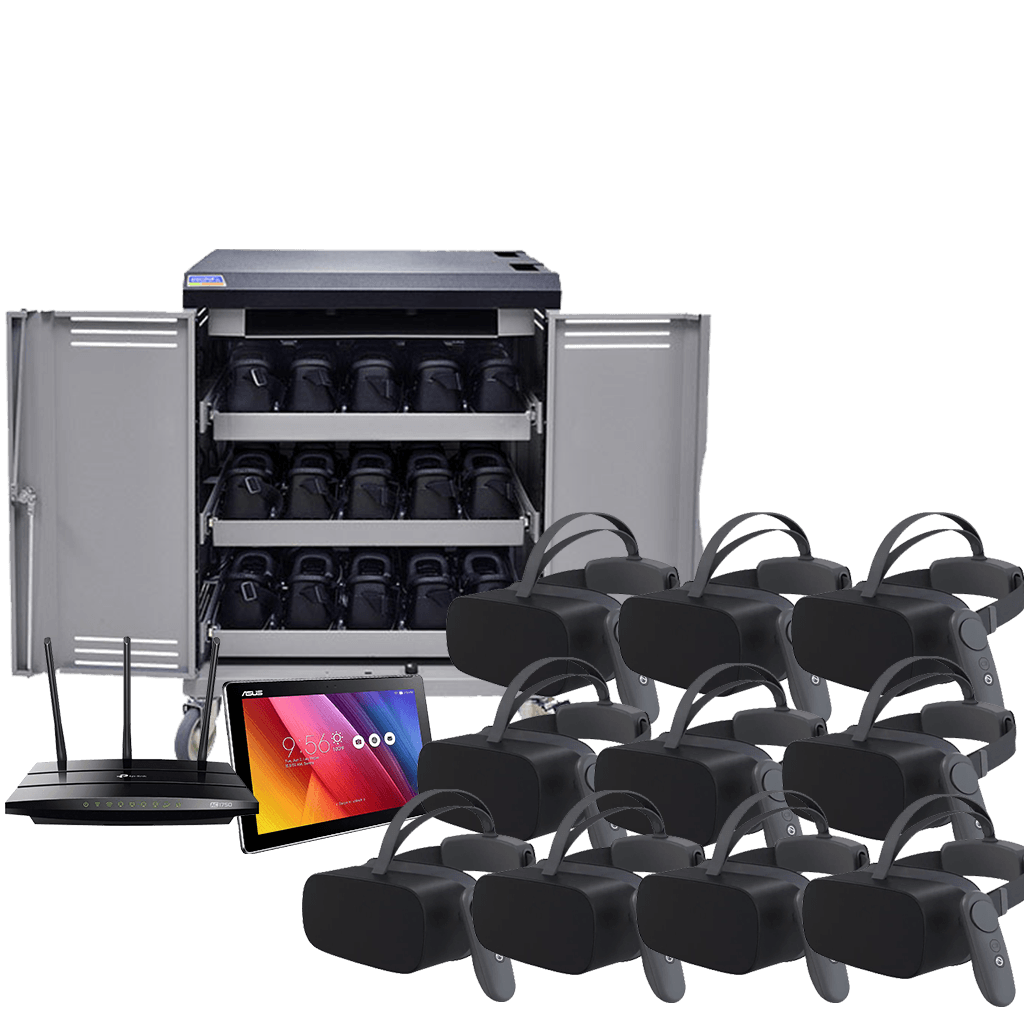
Bring your lessons to life with virtual reality. Spark curiosity and engage the entire classroom with the RobotLAB VR classroom advanced pack

Bring your lessons to life with virtual reality. Spark curiosity and engage the entire classroom with the RobotLAB AR/VR
No robots match these filters.
“VR learning environments reduce distractions, making students up to four times more focused. We've seen students who didn't engage with traditional instruction completely re-engage when content moved to VR. The retention numbers back it up.”
Middle school science department deployed VR Classroom Pack for pre-lab cell biology unit. Students explored cells in 3D before traditional microscope work. Result: test scores up significantly vs prior-year cohort. Teachers report students arrive at the wet lab with mental models of what they're looking at β instead of trying to build the model from scratch.
Read the case study βGet a free site survey. We'll shortlist 2β3 robots that fit your operating conditions and budget.
Straight answers about bringing virtual and augmented reality into K-12 and higher-ed learning spaces - what students do with it, what it costs, and how to fund and launch a program.
Pricing depends on whether you want a small pilot or a full class set, and whether you need charging and storage. A single headset kit like the RobotLAB VR Odyssey is far less than a full pack such as the VR Odyssey Standard Classroom Pack or the Virtual Reality Kit for classroom with Charging Cart Advanced Pack, which equip a whole group at once. Request a quote on this page and we will scope a configuration to your class size and budget.
Students take virtual field trips, explore 3D models of anatomy, space, and historical sites, and run science simulations that would be impossible or unsafe to do physically. With AR tools like the Universal Terminal System iSandbox, learners shape physical sand and watch topography, water flow, and elevation render in real time. Kits like Kai’s Clan and KaiBot add a coding layer, so students program robots and interact with them through a mixed-reality map.
It spans the grade range. Younger students (K-5) tend to start with screen-based AR and robotics like Wonder Workshop’s Dash and Dot K-5 Classroom Pack, which is hands-on and developmentally appropriate. Immersive headset experiences are typically introduced from upper elementary and middle school upward, where guided VR field trips and simulations fit the curriculum.
VR and AR map well to science, geography, history, and STEM/coding objectives, and most platforms include lesson content tied to common standards like NGSS and ISTE. The iSandbox supports earth-science and geography topics, while Kai’s Clan and KaiBot support computational-thinking and coding standards. Ask us for the standards-alignment documentation for any specific product on this page.
Districts commonly fund immersive-learning programs through STEM and technology grants, ESSER-type funds where still available, Title I and Title IV, CTE/Perkins funding, and local education foundations or corporate sponsorships. VR and AR projects are attractive to grant reviewers because they tie directly to measurable engagement and STEM outcomes. We can provide quotes and specification sheets to support your application – just ask when you request pricing.
The research-backed value is engagement and retention: immersive experiences help students remember spatial and procedural concepts and reach places a field-trip budget never could. The honest caveat is that it works best as a planned part of a lesson, not a free-play novelty, which is why we focus on packs that come with curriculum and teacher guidance. We would rather under-promise here than oversell – ask for a demo so you can judge the learning value for your own classroom.
The classroom packs are built for teachers who are not technologists. Headsets in kits like the VR Odyssey Classroom Packs are pre-loaded with content and managed from a single teacher device, and AR stations like the iSandbox need no headsets at all. Most teachers are comfortable running a session after a short orientation, and we include setup guidance and training.
Both are full class sets built around the RobotLAB VR Odyssey headsets; the Advanced configuration adds capabilities such as the DUAL CONTROLLER setup for more interactive, hands-on experiences, while the Standard pack covers guided viewing and field-trip-style content. The Advanced Pack with charging cart also bundles storage and charging so a class set stays organized and ready. Tell us your room and group size and we will recommend which tier fits.
Yes. The RobotLAB VR Kit for Autism is designed for special-education settings, using controlled, repeatable virtual environments to practice social scenarios, sensory regulation, and life skills in a low-pressure way. As with any special-ed tool, it should be used with educator judgment about each student’s sensory needs, and we are happy to walk through fit before you buy.
Class packs are typically sized for a full group – for example the KaiBot Classroom 20 Pack equips a class of students working in teams. Headset VR usually runs in stations or rotations within a normal classroom, while an AR sandbox lives as a single shared station that small groups gather around. We will help you plan headset count, rotations, and floor space based on your enrollment when we scope the order.
Packs are designed to be self-contained: the VR class packs include the headsets and content, the Advanced and charging-cart options add storage and charging, and robotics packs like Kai’s Clan, KaiBot, and Dash and Dot include the robots plus a coding interface. Students generally do not need to bring personal devices, though some platforms run from a shared tablet or computer. Ask for the full contents list of any specific pack on this page.
Tell us your grade levels, class size, subjects, and budget, and we will recommend a configuration and provide pricing plus any documentation you need for grants or purchasing. We can also arrange a demo so your teachers can try the experience before committing. To get started, use the form on this page or call 1-87-RobotLAB.
You choose which categories of cookies are stored on your device. Strictly-necessary cookies are required for the site to function and cannot be disabled. Read more in our Privacy Policy.
Session, security, and the consent record itself. Required for the site to operate.
First-party tracking (Mautic, on t.robotlab.com) so we understand which pages and products visitors engage with and improve the site over time.
Advertising pixels (Google Ads, Meta Pixel) used to measure ad performance and show relevant ads on partner sites. Turning this off opts you out of CCPA "sale" of personal information.