19 Years · America's Largest Robotics Integrator
Home/Capabilities/Cooking
For kitchen ops chasing consistency and labor relief

Cooking robots that plate the same dish, the same way, every single shift

Cooking robots that stir-fry, grill, fry, boil noodles, and assemble bowls with precise temps and exact portions. 30 servings in 7 minutes. Chef-quality consistency without the labor drama.

30 servings
produced in 7 minutes per cooking robot, identical every time
The current approach

Kitchen consistency is harder than kitchen speed

Recipe drift

Every line cook seasons differently

Three cooks, three versions of the same signature dish. Guest reviews mention 'great when X is on, mediocre when she's off.' A cooking robot runs the exact recipe, exact temp, exact portion — every single ticket.

Volume swings

Friday rushes break the line

Catering orders, party rooms, and weekend rushes overwhelm prep. Cooking robots produce 30 servings in 7 minutes without burning the line out. Scale up without scaling headcount.

Food safety

Temp logs nobody actually fills in

Manual temp logging is the first thing that gets skipped during a rush. Cooking robots auto-log temperatures, hold times, and cycle data for compliance without anyone clicking a checkbox.

How Cooking robots work

Three steps from operations to autonomy.

STEP 01

Map your space

Our techs map your facility. Robots learn doorways, glass walls, no-go zones.

STEP 02

Train the schedule

Set zones, times, and modes. Robots run on a schedule that fits your operation.

STEP 03

Measure & iterate

Fleet dashboard shows runtime, coverage, and maintenance needs. Weekly reports.

Cooking robots we carry

Three cooking robots that pay back fast

Stir-fry, fry, and beverage automation sized for ghost kitchens, fast-casual, hotels, and cafeterias. Standard footprint, no kitchen redesign needed.

Compare · 0/4 selected
+ Add
+ Add
+ Add
+ Add
Showing 1 of 1 robots
Botinkit ChefBot Robot
Botinkit Botinkit

Botinkit ChefBot Robot

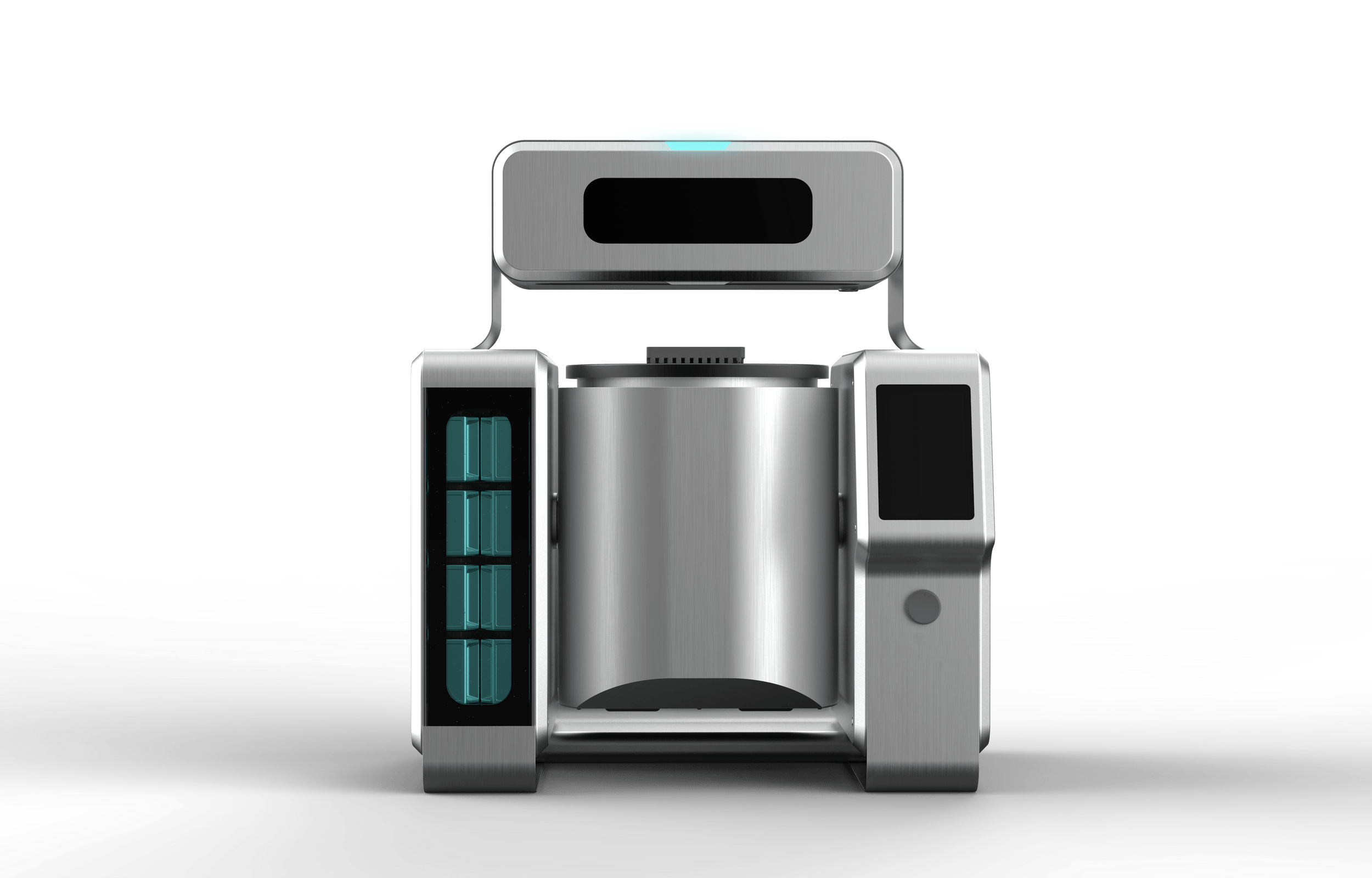
An autonomous cooking robot that stir-fries, fries, grills, and plates full hot dishes in about three minutes each — same recipe, every time, 24/7, without a line cook.

RaaS $1,439/mo(36mo)
From $43,000 purchase
“A cooking robot produces the same dish, same proportions, same quality every time. In food service, that consistency is worth more than speed. Customers come back for the dish they had last time, not a variation of it.”
E
Elad Inbar
CEO and Founder, RobotLAB
Case study

Fast-casual chain: ChefBot Pro produces 30 stir-fry bowls in 7 minutes

Multi-unit deployment of automated stir-fry stations standardizes recipes across locations, eliminates recipe drift between line cooks, and handles lunch rush without expanding kitchen staff. Catering volume tripled with no added headcount.

Read the case study →
Ready to deploy Cooking?

Pick the right Cooking robot.

Get a free site survey. We'll shortlist 2–3 robots that fit your operating conditions and budget.

  • ✓ Free site survey & shortlist within 5 business days
  • ✓ Custom ROI model and payback estimate
  • ✓ Financing, RaaS, and purchase options
Questions & answers

Commercial Cooking Robots: Questions & Answers

Straight answers about automated cooking robots for commercial kitchens, ghost kitchens, and food-service operations. Below we cover cost, payback, what these machines actually cook, and how to get a hands-on demo.

  1. How much does a commercial cooking robot cost?

    Pricing depends on the model and configuration, but commercial cooking robots like the Botinkit ChefBot typically land in the tens of thousands of dollars range as an outright purchase. Many operators instead choose Robots-as-a-Service (RaaS), which spreads the cost into a predictable monthly subscription with service included. For an exact quote on the ChefBot or Beverage Bot for your kitchen, request a quote on this page.

  2. What is the ROI and payback period for a kitchen cooking robot?

    Payback is driven mainly by labor offset, consistency, and reduced food waste, and it varies widely by station, wage rates, and how many hours the robot runs per day. Operators running a high-volume station often see payback on the order of one to two years, but the honest answer is that it depends on your specific menu and labor costs. Ask us for an ROI model built around your numbers rather than relying on a generic figure.

  3. What does the Botinkit ChefBot actually cook?

    The ChefBot is an automated wok/stir-fry style cooking robot that handles ingredient dispensing, heating, stirring, and timing for hot dishes such as stir-fries, rice and noodle bowls, sauces, and similar made-to-order items. It follows programmed recipes so each dish comes out the same way every time, regardless of who is on shift. It is best suited to repeatable, high-volume menu items rather than highly bespoke plating.

  4. How does a cooking robot help with kitchen labor shortages?

    Cooking robots take over the hot, repetitive line work that is hardest to staff and retain people for, letting your team focus on prep, expediting, and customer-facing tasks. A single robot can cover a cooking station across long shifts without breaks, which reduces dependence on hard-to-fill line-cook roles. The goal is to relieve staffing pressure and stabilize output, not to eliminate your kitchen team.

  5. How many meals per hour can a cooking robot produce?

    Throughput depends on the dish, portion size, and cook time, but automated cooking stations are designed to turn out dishes on a consistent, repeatable cadence shift after shift. Because the robot doesn’t slow down during a rush or vary timing between cooks, output stays steady during peak periods. We can estimate realistic throughput for your specific menu items when you request a demo.

  6. What is the Botinkit Beverage Bot and what does it make?

    The Beverage Bot is an automated drink-making station that prepares beverages to a consistent recipe, handling dispensing and mixing without manual measuring. It is aimed at high-volume drink service where speed and consistency matter, such as cafes, bubble-tea-style menus, and food-service counters. Ask us which drink categories the current model supports for your concept.

  7. Are cooking robots a good fit for ghost kitchens and high-volume QSR?

    Yes, ghost kitchens, cloud kitchens, and quick-service operations are among the strongest fits because their menus are repeatable and volume is high. Automated cooking gives those operations consistent output, lower per-dish labor, and the ability to run more hours without adding line staff. It is a weaker fit for full-service restaurants with frequently changing, highly customized menus.

  8. How consistent is the food quality from a cooking robot?

    Consistency is one of the main reasons operators adopt these systems: the robot follows the same recipe, timing, and temperature on every order, so dish-to-dish variation drops sharply versus manual cooking. That helps protect your brand standards across shifts and locations. Recipes are programmed and adjustable, so you can dial in a dish and then reproduce it reliably.

  9. Is a cooking robot sanitary and easy to clean?

    Commercial cooking robots are built for food-service environments with cleanable, food-contact-rated components and cleaning routines designed into daily operation. As with any kitchen equipment, you still follow standard food-safety and cleaning protocols, and we cover the specific cleaning workflow during training. Local health-code compliance should always be confirmed for your jurisdiction during planning.

  10. Do I buy the robot or can I lease it through Robots-as-a-Service?

    Both options are available. You can purchase a cooking robot outright, or use Robots-as-a-Service (RaaS) to pay a monthly subscription that typically bundles deployment, training, and ongoing service, which lowers the upfront cost and shifts maintenance risk to us. Many food-service operators prefer RaaS to preserve capital and keep support included. We can compare both paths side by side for your budget.

  11. What support, training, and service come with a cooking robot from RobotLAB?

    As a multi-brand integrator, RobotLAB handles the full lifecycle: helping you pick the right model, installing it in your kitchen, training your staff on operation and cleaning, and providing nationwide service and support afterward. Because we are not tied to a single manufacturer, our recommendation is based on what fits your menu and volume. Service coverage details depend on whether you purchase or use RaaS.

  12. How do I get a demo or quote for a cooking robot?

    Tell us about your menu, volume, and the stations you want to automate, and we’ll recommend whether the Botinkit ChefBot, Beverage Bot, or another configuration fits, then build an ROI estimate around your numbers. We can arrange a demonstration and walk you through purchase versus RaaS options. To get started, use the form on this page or call 1-87-RobotLAB.

Have another question? Same-day response. Ask a Cooking specialist → Browse case studies