19 Years · America's Largest Robotics Integrator
Home/Capabilities/Customer Service
For front-desk teams swamped with repetitive intake

Customer Service robots that greet, check in, and answer — 24/7, no line, no off-day

Customer service and receptionist robots that greet visitors, handle check-ins, answer FAQs, process transactions, and escalate complex requests to your team. Up to 50% reduction in wait times and 24/7 availability.

50%
reduction in wait times and 30% more service requests handled per hour
The current approach

Front-desk burnout has a measurable cost

Repetitive intake

Your front-desk team answers the same questions 200 times a day

Where's the bathroom? Where do I check in? What time is breakfast? Routine FAQs consume hours that should go to high-value guest interactions and complex problem-solving. A robot handles the routine 24/7.

Off-hours coverage

After 10 PM, your front desk is one tired person

Night shift coverage is expensive and inconsistent. A receptionist robot handles check-ins, FAQs, and basic requests around the clock without overtime. Your team focuses on the cases that need a human.

Multilingual demand

International guests get lost at the curb

Hiring multilingual staff is expensive. AI-powered robots communicate in dozens of languages out of the box, which matters in hotels, hospitals, airports, and any venue with international visitor traffic.

How Customer Service robots work

Three steps from operations to autonomy.

STEP 01

Map your space

Our techs map your facility. Robots learn doorways, glass walls, no-go zones.

STEP 02

Train the schedule

Set zones, times, and modes. Robots run on a schedule that fits your operation.

STEP 03

Measure & iterate

Fleet dashboard shows runtime, coverage, and maintenance needs. Weekly reports.

Customer Service robots we carry

Three customer service robots we deploy

Humanoid greeters to AI avatar kiosks, sized for hotel lobbies, hospital entrances, retail, and corporate reception.

Compare · 0/4 selected
+ Add
+ Add
+ Add
+ Add
Showing 4 of 4 robots
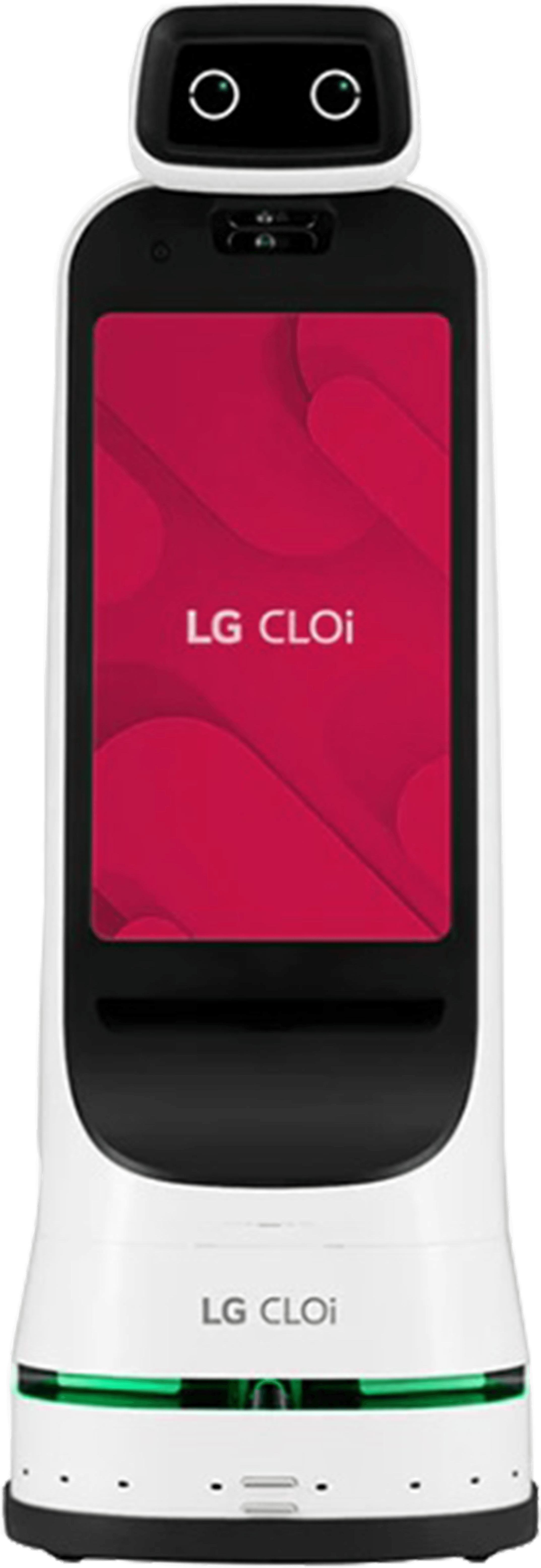
LG CLOi GuideBot Robot | Interactive Guide
LG Customer Service

LG CLOi GuideBot Robot | Interactive Guide

LG CLOi GuideBot interactive guide robot. $39,990 purchase or $1,666/mo RaaS. K-12, healthcare, retail, hospitality guidance. RobotLAB: 19 years.

RaaS $1,339/mo(36mo)
From $39,990 purchase
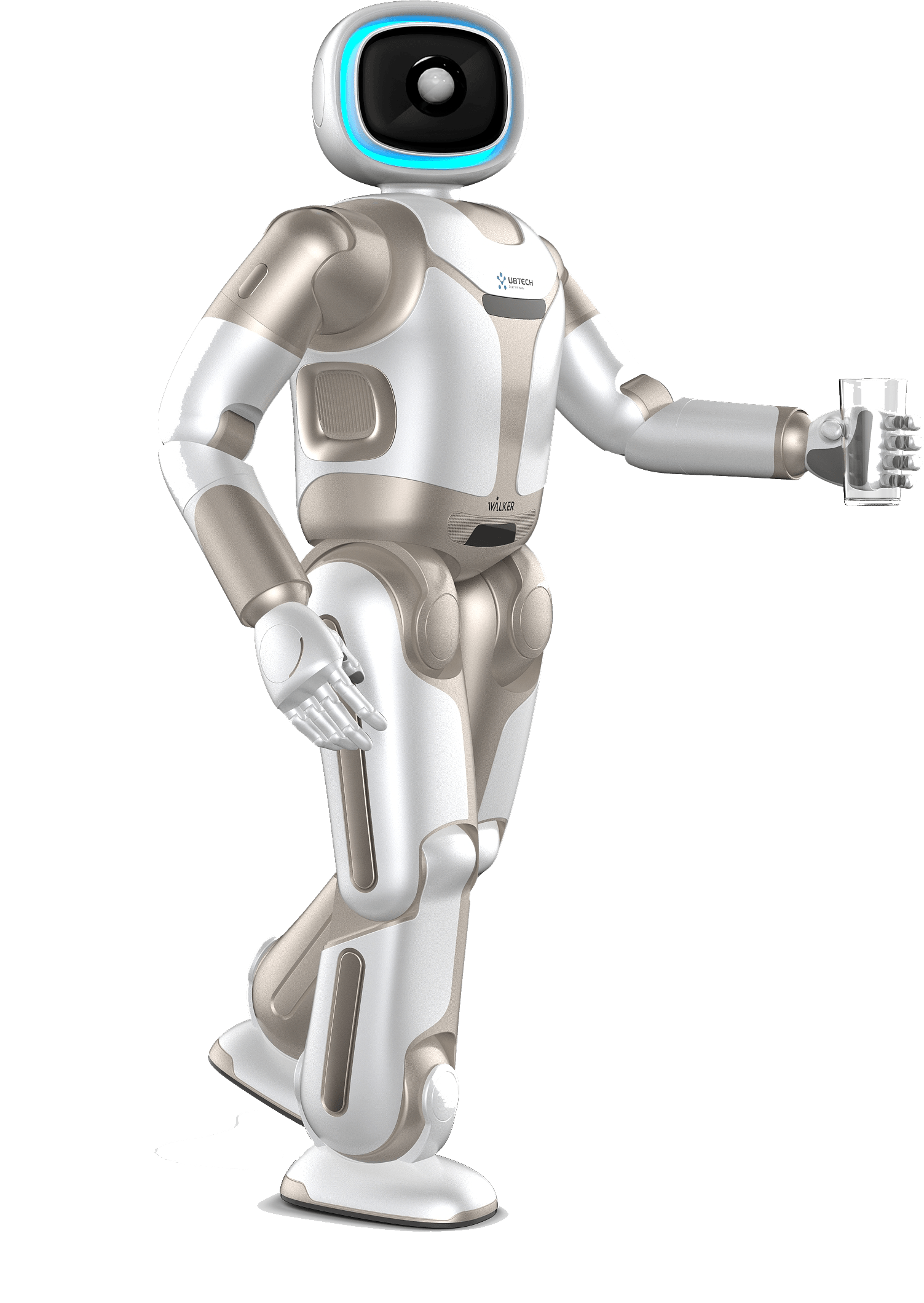
Walker Humanoid Service Robot For Research
UBTech Robot

Walker Humanoid Service Robot For Research

UBTech's flagship full-size bipedal humanoid, purpose-configured for university and research-lab work in locomotion, manipulation, and embodied AI.

RaaS $32,009/mo(36mo)
From $960,000 purchase
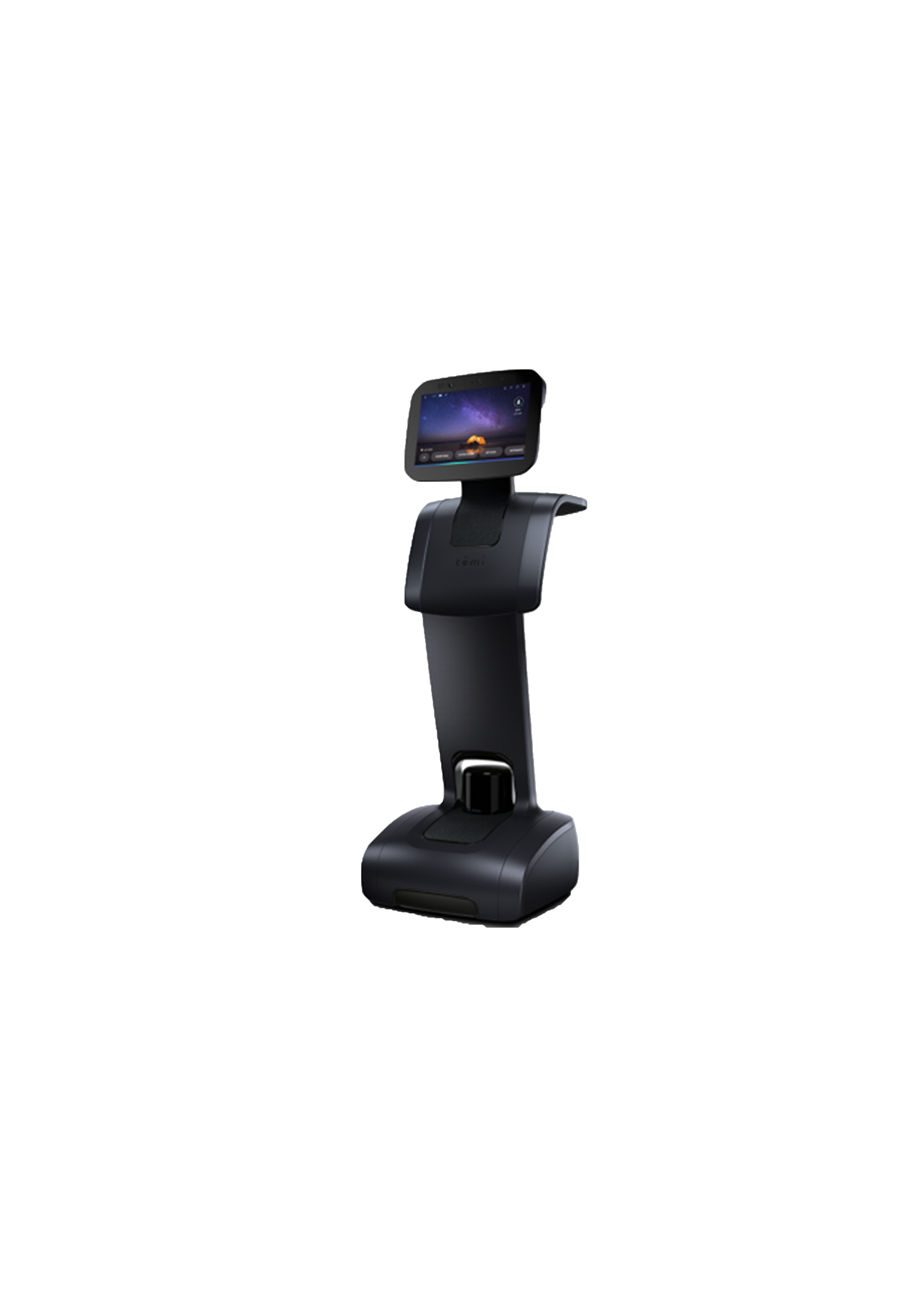
Temi
Temi Temi

Temi

An autonomous, video-first personal assistant robot that greets, guides, and connects people — deployed, financed, and serviced nationwide by RobotLAB.

RaaS $135/mo(36mo)
From $3,999 purchase
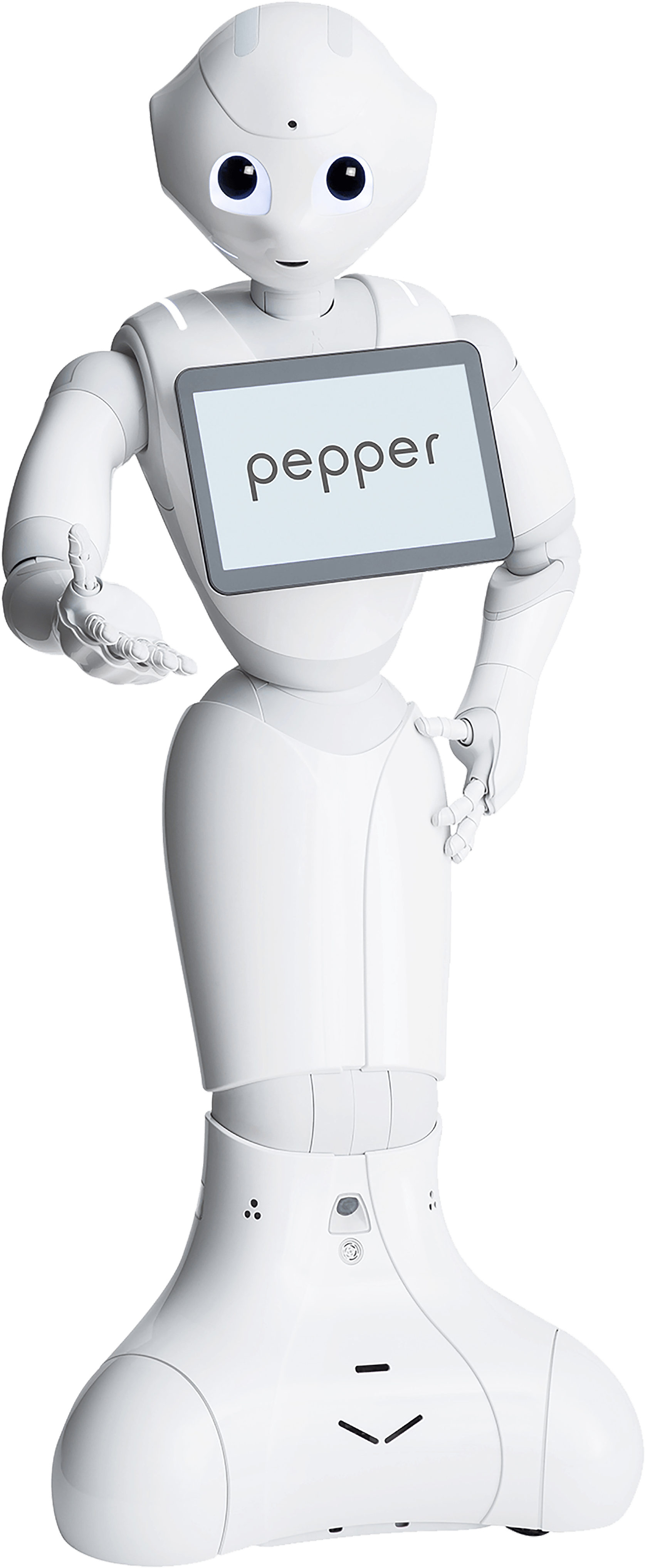
Softbank Pepper Robot
SoftBank Research

Softbank Pepper Robot

Discover the Softbank Pepper Robot, a versatile robot for Hospitality, Assisted Living. Available for purchase or lease. Contact RobotLAB today.

RaaS $1,069/mo(36mo)
From $32,000 purchase
“Customer service robots handle the FAQs that consume 40% of front-desk time, with zero attitude, zero fatigue, and full multilingual support. Our team stopped answering 'where's the bathroom' for the hundredth time and started actually helping the guests who need real attention.”
F
Front Desk Director
Branded Resort Property
Case study

Retail flagship: Pepper handles intake while staff sells

Pepper deployed at a retail flagship store handles greeting, store map, returns FAQ, and language selection for international visitors. Staff redeployed from intake to active selling. Conversion up double digits in the first quarter post-deployment.

Read the case study →
Ready to deploy Customer Service?

Pick the right Customer Service robot.

Get a free site survey. We'll shortlist 2–3 robots that fit your operating conditions and budget.

  • ✓ Free site survey & shortlist within 5 business days
  • ✓ Custom ROI model and payback estimate
  • ✓ Financing, RaaS, and purchase options
Questions & answers

Customer Service Robots: Questions Answered

Practical answers about deploying robots for customer service, reception, and guest interaction across hotels, retail, healthcare, and corporate lobbies. Here is what they cost, what they do, and where they pay off.

  1. How much does a customer service robot cost?

    Most customer-facing service robots fall in the rough range of $10,000 to $35,000 to purchase outright, depending on the model, sensors, and whether it includes a display or arms. Many operators instead use Robots-as-a-Service (RaaS), which spreads the cost into a predictable monthly subscription that bundles hardware, software, and support. For an exact figure on a specific model like the LG CLOi GuideBot or Temi, request a quote so we can scope it to your site.

  2. What is the ROI and payback period for a customer service robot?

    Payback depends mostly on the labor hours a robot offloads and your local wage rates, but many front-desk and greeting deployments target a payback on the order of 12 to 24 months. A robot that covers reception, wayfinding, or FAQ-style questions during peak hours can relieve staff at a cost well below a full-time equivalent. We can build an ROI model around your foot traffic, hours of operation, and staffing costs so the numbers reflect your actual operation.

  3. What does a customer service robot actually do?

    These robots greet visitors, answer common questions, give directions and wayfinding, check people in, and escort guests to a destination. Models like the LG CLOi GuideBot and Temi combine a touchscreen, voice interaction, autonomous navigation, and obstacle avoidance to move through lobbies and corridors on their own. More advanced platforms such as UBTech’s Walker humanoid add arms and dexterity for research and demonstration use cases.

  4. Can a customer service robot replace front-desk or reception staff?

    In most settings a service robot supplements staff rather than fully replacing them. It handles repetitive, high-volume tasks, such as greeting, directions, and basic questions, so your people focus on judgment calls, complex requests, and the human touch. The net effect is usually fewer staffed hours on routine work and more consistent coverage during evenings, weekends, and busy periods.

  5. What are the best uses for a robot in a hotel or hospitality setting?

    In hospitality, customer service robots handle lobby greeting, check-in assistance, concierge-style FAQs, and guiding guests to elevators, restaurants, or meeting rooms. They give a consistent welcome at all hours and free desk staff during check-in rushes. They also create a memorable, modern brand impression that many properties use as a differentiator.

  6. How do customer service robots help in retail and corporate lobbies?

    In retail, a robot can greet shoppers, answer product and location questions, and direct people to the right aisle or department, reducing the load on floor associates. In corporate lobbies, it handles visitor greeting, check-in, and directions to meeting rooms, often replacing a static kiosk with something interactive and approachable. Both settings benefit from consistent service during understaffed shifts.

  7. Do these robots navigate on their own and avoid people?

    Yes. Platforms like the LG CLOi GuideBot and Temi use onboard sensors and mapping to navigate autonomously, follow a person, and avoid obstacles and foot traffic in real time. They are designed for shared public spaces, so they slow and reroute around crowds rather than requiring a clear path. Initial mapping of your floor plan is part of a normal deployment.

  8. Can a customer service robot speak multiple languages?

    Many service robots support multilingual voice and on-screen interaction, which is valuable in airports, hotels, and healthcare lobbies that serve diverse visitors. Exact language coverage varies by model and software version, so confirm the specific languages you need during scoping. We can match you to a platform whose language support fits your audience.

  9. How are these robots used in healthcare and assisted-living facilities?

    In healthcare and senior-living settings, service robots greet and direct visitors, answer common questions, and guide people to departments or rooms, which reduces interruptions at busy reception desks. Telepresence-capable models like Temi also let remote staff or family check in with patients and residents through the robot’s screen. As always, deployment is scoped to your facility’s layout and privacy requirements.

  10. How long does it take to set up and deploy a service robot?

    A typical deployment involves mapping your space, configuring the greeting flows and FAQ content, and training staff, which often takes on the order of a few days to a few weeks depending on site complexity. RobotLAB handles installation, integration, and staff training, and provides nationwide service so you are supported after go-live. Timeline specifics are confirmed once we understand your site and use case.

  11. Which customer service robot brands does RobotLAB offer?

    RobotLAB is a multi-brand integrator and carries customer service platforms including LG, UBTech, and Temi, among others. We are brand-agnostic, so we recommend the model that best fits your space, traffic, and goals rather than pushing a single product. We also handle deployment, training, and service across whatever brand you choose.

  12. How do I get a demo or quote for a customer service robot?

    Tell us your setting, daily foot traffic, hours of operation, and the tasks you want covered, and we will recommend the right platform and build an ROI model around your numbers. We can arrange a live demo and a quote that reflects purchase or RaaS options. To get started, use the form on this page or call 1-87-RobotLAB.

Have another question? Same-day response. Ask a Customer Service specialist → Browse case studies